
The black seed is planted
Farmers sow Nigella sativa. The plants grow into fine-leaved stems and eventually open into pale, nectar-bearing flowers.
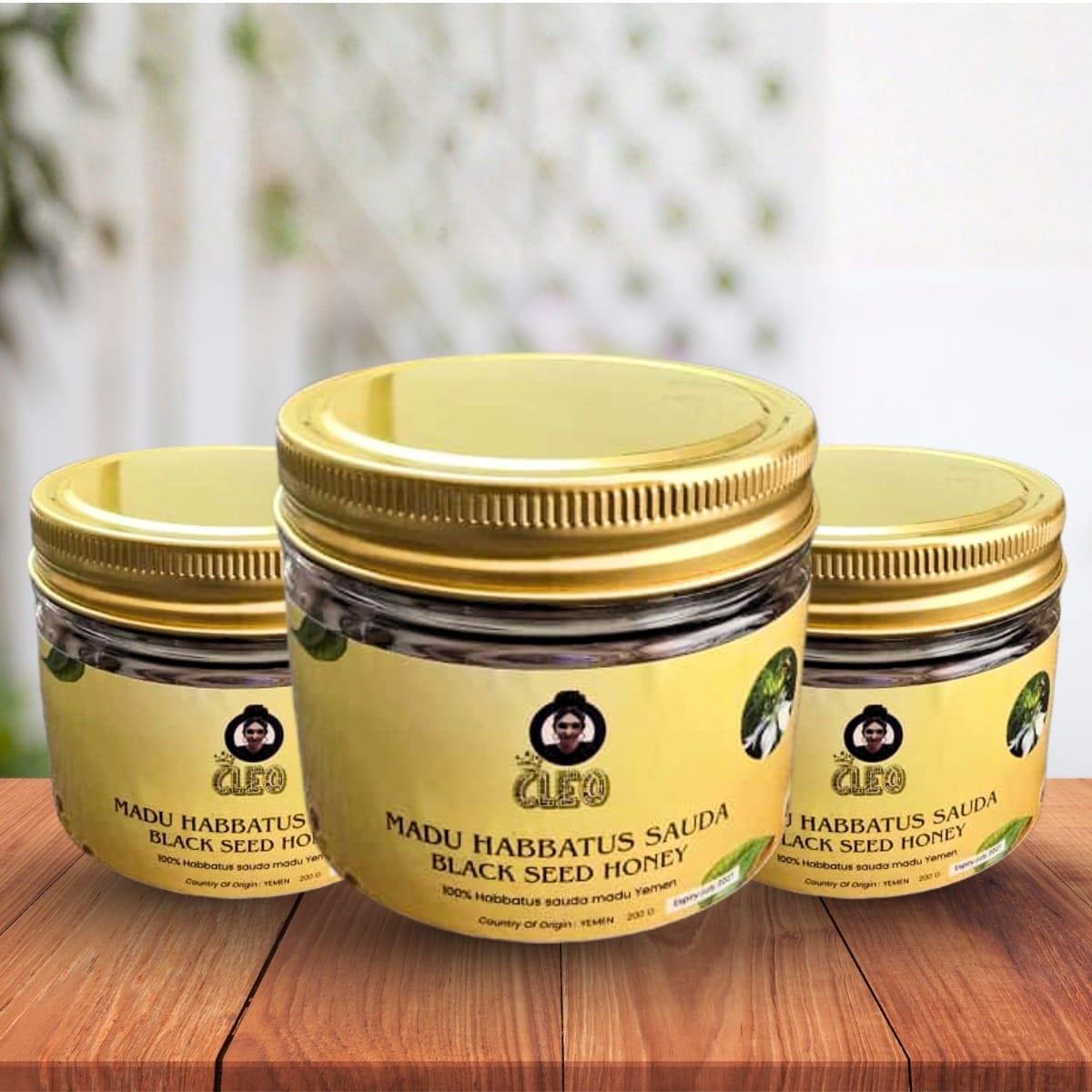 SALE
Nigella sativa floral honey, naturally ripened in the comb
Honey made by bees that forage primarily on Nigella sativa blossoms, then naturally concentrated in the hive before filtering and bottling.
The story begins with a Nigella sativa flower and ends only after the bees have transformed and naturally concentrated its nectar.
Nigella sativa
Primary floral source
Naturally ripened
Enzymes and evaporation
Farmers sow Nigella sativa. The plants grow into fine-leaved stems and eventually open into pale, nectar-bearing flowers.
The blossoms produce an aromatic, sugar-rich nectar that attracts foraging honeybees.
Bees draw nectar from the flowers, carry it in their honey stomachs and return with it to the hive.
The bees pass and deposit the fresh nectar into wax cells. At this stage, nectar still contains a large amount of water.
Bee enzymes, including invertase, help split sucrose into the simpler sugars glucose and fructose. This is an enzymatic conversion rather than fermentation.
Bees circulate air across the comb with their wings, gradually lowering the nectar’s moisture until it reaches honey’s familiar thick consistency.
As enzyme activity and evaporation continue, the nectar matures into honey. Ready cells are sealed with a thin cap of wax.
Mature combs are collected responsibly. The honey is extracted, filtered and bottled for use.
Its name comes from the bees’ main floral source: Nigella sativa. After flowering, the same plant forms the black cumin seeds also known as karunjeeragam.
Black seed honey is traditionally chosen for broad wellness support. These uses describe routine support, not treatment for a medical condition.
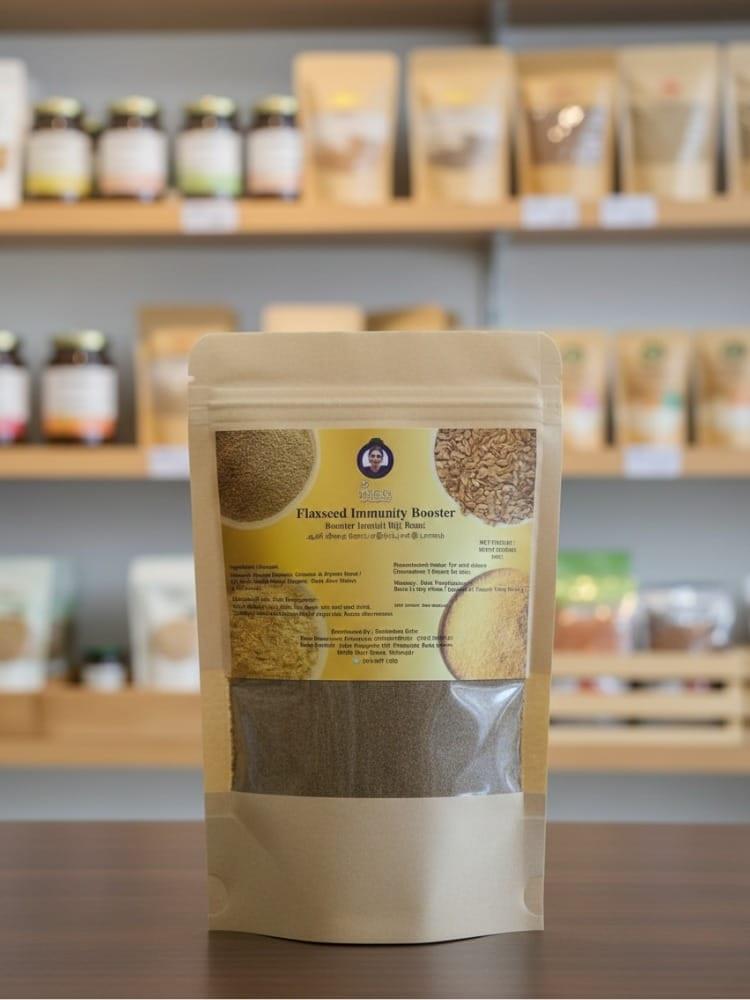 Immunity
Homemade everyday wellness support for growing families
4.6(189)out of 5, from 189 reviews
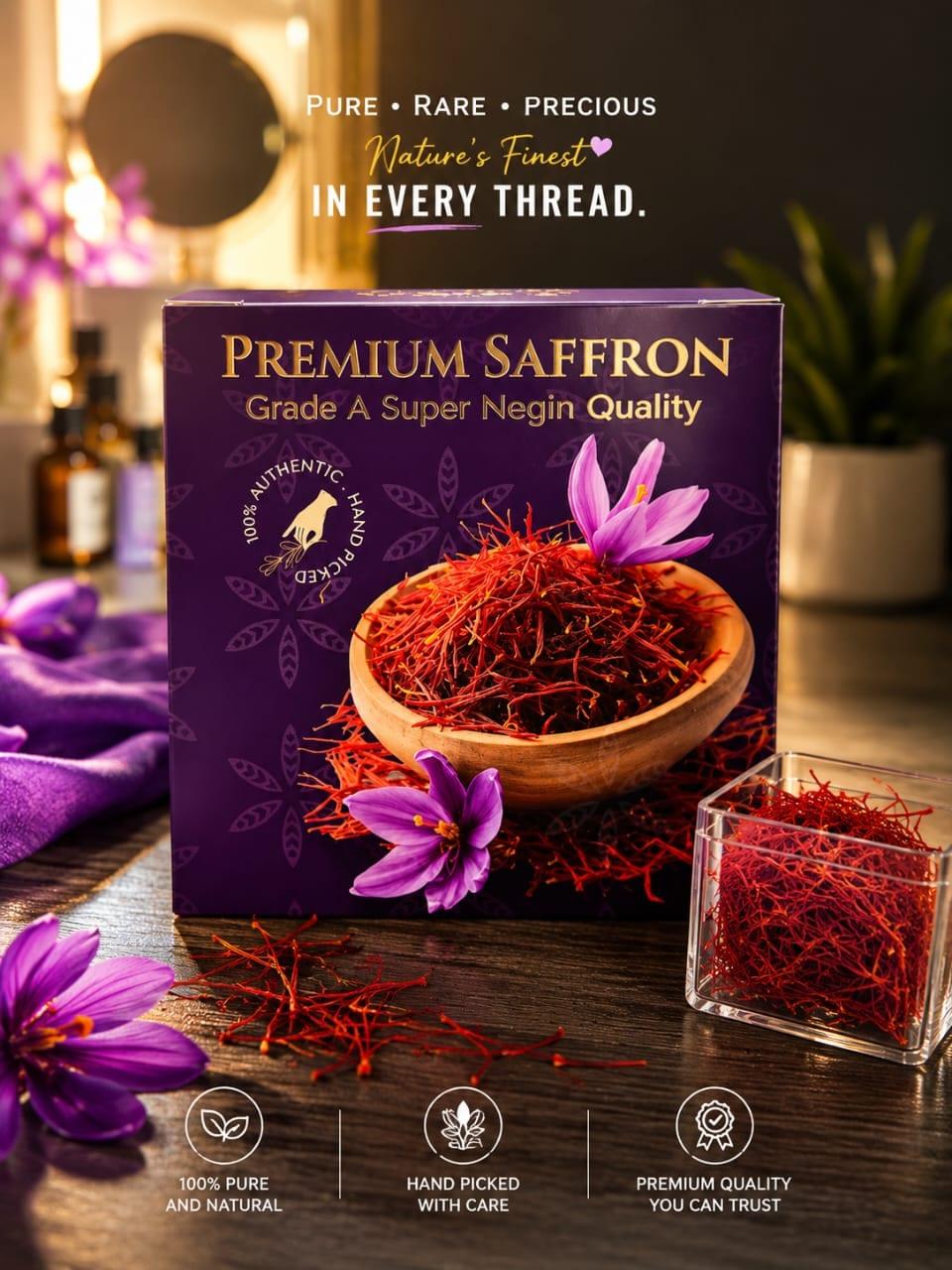 Immunity
Adaptogenic strength, sustainably foraged
4.8(267)out of 5, from 267 reviews
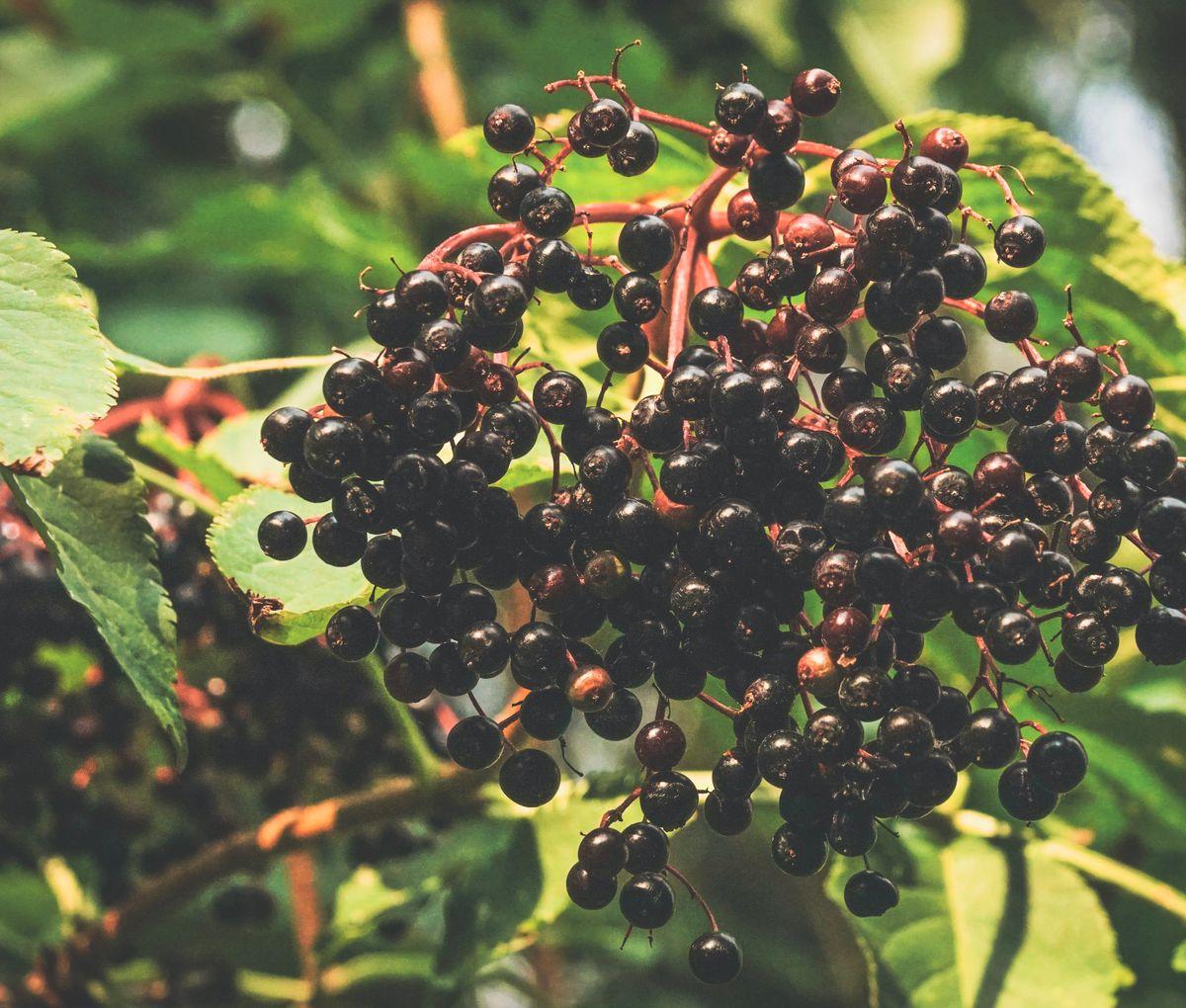 Immunity
A dark, sweet shield for the cold months
4.8(302)out of 5, from 302 reviews